
President Donald Trump placed the blame squarely on NATO on Tuesday, accusing the alliance of failing the United States at a critical moment by refusing to join the military campaign against Iran. He made his frustration known through a post on Truth Social and in direct comments to reporters at the White House. Trump described himself as “disappointed” and labeled the alliance’s inaction a “foolish mistake.”
Trump’s dissatisfaction with NATO is a consistent feature of his political worldview. He believes the alliance has exploited American generosity for decades, collecting the benefits of US military protection without offering commensurate support. The refusal of NATO members to engage in the Iran operation has reinforced that belief.
In describing the outcome of the campaign, Trump claimed that the US and Israel had achieved a decisive and historic military victory. He said Iran’s navy, air force, radar networks, and anti-aircraft defenses had all been destroyed. He further claimed that Iranian leaders had been neutralized at virtually every level, wiping out the country’s capacity to threaten its neighbors or the world.
Such achievements, if accurate, would represent a fundamental realignment of power in the Middle East. The destruction of Iran’s military and the elimination of its leadership would leave a vacuum that would reshape regional alliances and rivalries. Trump framed this outcome as a product of American and Israeli strength, requiring no outside assistance.
For NATO, the episode has created an urgent need for internal reflection. Allies must decide how seriously to take Trump’s warnings and whether a more engaged posture toward US military priorities is warranted. The alliance’s future relevance may depend on how it answers those questions.
Trump Blames NATO for Failing America, Cites Massive Iran Military Wins
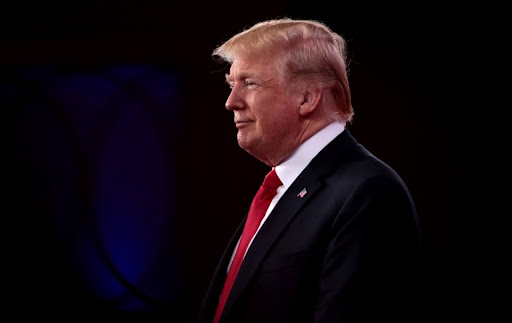
Photo by Gage Skidmore / Wikimedia Commons (CC BY-SA 2.0)
41