
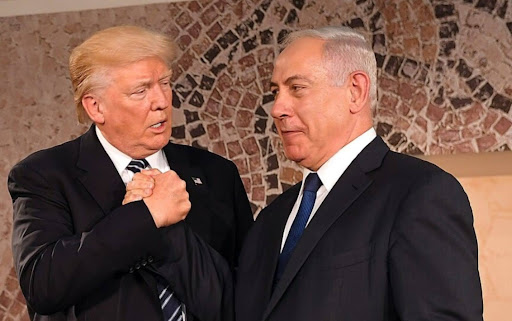
The Trump-Netanyahu dispute over the South Pars gas field strike exists within a US-Israel alliance stretching back over seven decades — over seventy years of partnership that has survived multiple wars, political transitions, policy disagreements, and periods of significant tension. Placing the current dispute in this historical context is important for maintaining perspective: this is a significant episode, but it is not the most serious disagreement the alliance has navigated, and the relationship’s demonstrated resilience suggests it will absorb this one as well.
The alliance has survived disputes considerably more fundamental than the South Pars episode. The 1956 Suez Crisis involved the United States effectively forcing Israel to halt a military operation — a far more coercive intervention than Trump’s measured pushback. Disputes over Israeli nuclear weapons development in the 1960s and settlement policy in subsequent decades involved sustained friction over issues far more central to American policy concerns than the South Pars strike.
What makes the current episode involving Trump and Netanyahu notable is not its severity but its visibility. The transparency of Trump’s public acknowledgment, the official confirmation of different objectives in Gabbard’s testimony, and the clarity with which the strategic divergence has been documented place it in a different category from private disagreements managed quietly through diplomatic channels. The alliance has had worse disagreements; it has rarely displayed them so openly.
The seven-decade history of the alliance is relevant for another reason: it demonstrates the depth of shared interests that underlie the Trump-Netanyahu partnership. Both countries’ security establishments are deeply intertwined. Intelligence relationships, military cooperation, diplomatic alignment on numerous issues — all of these create structural incentives for maintaining the alliance that no single episode can overcome.
South Pars will join the long list of US-Israeli disputes that generated public friction and were ultimately absorbed. The historical perspective doesn’t minimize its significance — it contextualizes it. The alliance is more resilient than the episode’s most alarming interpretations suggest. It is also more structurally strained than its official narrative acknowledges. Both things are true.