
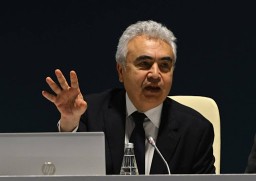
Every barrel of energy saved through demand reduction measures is effectively a barrel of strategic reserve that extends the world’s capacity to manage the supply crisis caused by the Iran war, the head of the International Energy Agency has said. Fatih Birol, speaking in Canberra, called this framing a key message for citizens and governments alike — that energy conservation was not just a personal virtue or an environmental preference but a direct contribution to national and global energy security in a crisis. He described the overall emergency as equivalent to the combined force of the 1970s twin oil shocks and the Ukraine gas disruption.
Birol said demand-side measures — working from home, reducing highway speeds, cutting back on unnecessary flights, lowering building temperatures by small amounts — were collectively capable of reducing global oil demand by significant volumes. Every reduction in demand translated directly into a reduction in the pressure on the depleted global supply, extending the duration of available strategic reserves and reducing the severity of the economic impact. He urged governments to communicate this connection clearly to their citizens.
The conflict began February 28 with US and Israeli strikes on Iran and has since removed 11 million barrels of oil per day and 140 billion cubic metres of gas from world markets. At least 40 Gulf energy assets have been severely damaged, and the Hormuz strait — through which approximately 20 percent of global oil flows — remains closed. The IEA deployed 400 million barrels from strategic reserves on March 11 in its largest emergency action.
Birol confirmed further releases were under consideration and said consultations with governments across Europe, Asia, and North America were ongoing. He reiterated that demand-side policies including remote work, lower speed limits, and reduced commercial aviation needed to be implemented urgently and comprehensively. He met with Australian Prime Minister Anthony Albanese and said engaging citizens as active participants in the crisis response — not just passive recipients of government emergency measures — was essential to an effective national response.
Trump’s 48-hour ultimatum to Iran to reopen the strait expired without result, and Tehran threatened retaliatory strikes on US and allied energy and water infrastructure. Birol concluded by directly addressing citizens as well as governments: every energy-saving action taken during the crisis made a real contribution to its management and helped protect the global economy from the worst consequences of the supply disruption. He said that in an energy crisis, demand reduction was not sacrifice — it was strategy.