
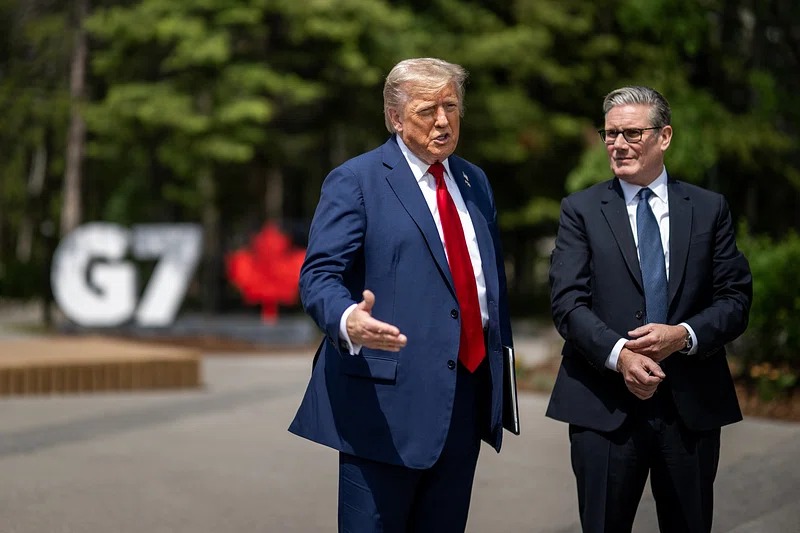
Hesitation in international affairs rarely comes without a price, and Britain was discovering that truth in vivid and public fashion. The decision to initially withhold permission for American forces to use British bases for operations against Iran had set off a chain of diplomatic consequences that the government was still working to contain.
The American president’s public criticism was the most visible element of the fallout. His social media post, targeting the prime minister by name and warning that delays would be remembered, generated considerable coverage and discomfort in British political circles. It was a rebuke delivered at the highest level, in the most public forum available.
The secretary of state reinforced the theme at an international security conference, drawing pointed distinctions between allies who showed up when needed and those who did not. The remarks were widely interpreted as directed at Britain — and at Spain, which had also declined to allow its territory to be used for the strikes on Iran.
When Britain eventually reversed its position — granting limited access for what were described as defensive purposes — American bombers arrived and began operations from the British base. The speed of the deployment was noted, but it did little to change the American narrative that Britain had come to the party too late.
The political costs at home were considerable too. The prime minister faced criticism from both the right — for damaging the special relationship — and the left, for ultimately agreeing to involvement in a military campaign many Labour supporters opposed. It was a position few politicians would have chosen.