
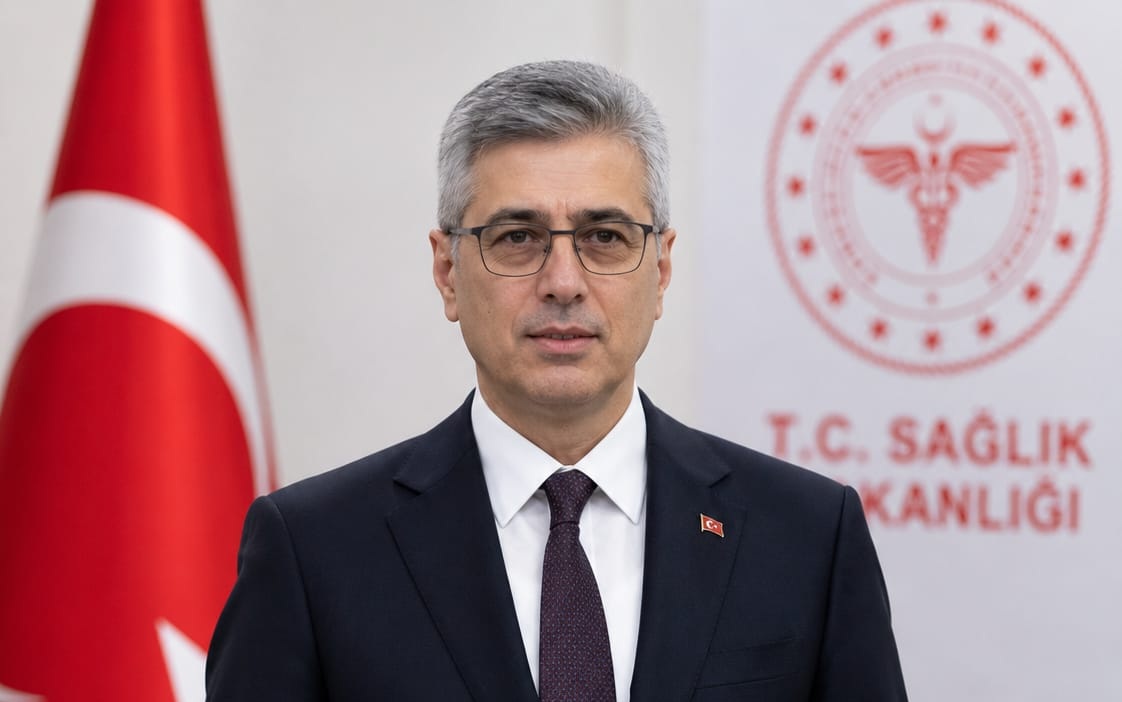
At the World Health Organization’s Ministerial Conference in Istanbul, Türkiye emphasized its dedication to sharing its expertise in disaster health management with nations globally. Health Minister Kemal Memişoğlu underscored the importance of international collaboration in protecting lives during significant emergencies. He pointed out that earthquakes pose a worldwide challenge that necessitates scientific cooperation and global solidarity. The conference, which focused on enhancing health security through effective earthquake emergency management, gathered representatives from approximately 40 countries to deliberate on enhancing disaster preparedness and fortifying healthcare systems against such emergencies.
Memişoğlu highlighted Türkiye’s extensive experience in disaster response, especially in the aftermath of the catastrophic earthquakes in February 2023. During this crisis, the nation mobilized over 138,000 healthcare personnel, emergency responders, and support staff. One of the key operations included a vast medical evacuation effort, relocating more than 51,000 patients to hospitals outside the affected areas, while also swiftly setting up field hospitals and emergency medical facilities.
In his address, Memişoğlu pointed to the significant advancements Türkiye has made in its healthcare infrastructure. These enhancements include investments in robust hospitals, emergency medical services, digital health systems, air ambulance operations, and the National Medical Rescue Teams (UMKE). Furthermore, he introduced the GÖKBEY ambulance helicopter, a domestically developed aircraft designed to provide intensive care in challenging terrains during disasters.
Looking forward, Türkiye is taking proactive measures to prepare for future disasters, including the potential of a major earthquake in the Marmara region. The country has developed an all-encompassing earthquake preparedness model and introduced what it claims as the world’s first Public Health Services in Earthquakes Guide. This guide includes detailed response plans specifically tailored for Istanbul and other areas considered high-risk.
Memişoğlu reiterated Türkiye’s commitment to aiding countries affected by disasters by sharing its knowledge, trained personnel, and emergency response capabilities. He stressed that facing large-scale disasters is a challenge no nation can undertake alone, highlighting the necessity of global cooperation and shared expertise in disaster management.