
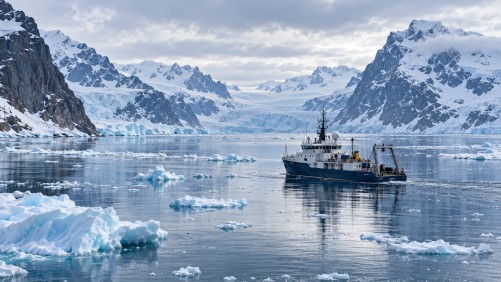
Greenland has taken a significant step in environmental conservation by seeking to prohibit deep-sea mining activities until at least the end of 2029. This decision, unanimously approved by Greenland’s parliament, underscores growing concerns over the environmental impact that extracting minerals from the Arctic seabed could have on marine ecosystems.
The proposal calls for the Greenland government to draft legislation enacting this moratorium, which can be extended in two-year increments. This move has been welcomed by environmental groups, who emphasize the limited scientific understanding of deep-sea mining’s potential consequences. The Arctic region, known for its harsh conditions and limited infrastructure, poses significant challenges to resource extraction, further supporting the case for a cautious approach.
While Greenland’s fisheries play a crucial role in the local economy, with hunting remaining vital to many communities’ livelihoods, the territory’s untapped mineral resources present an economic opportunity. These resources are seen as a potential boon for industries connected to advanced technology and defense, offering a path to reduce Greenland’s financial reliance on Danish subsidies, which currently account for about 20% of its economy.
The legislative proposal comes amid rising international interest in Greenland’s strategic location and natural resources. This heightened focus is not new; in 2021, Greenland ceased issuing new oil and gas exploration permits, reflecting its cautious stance on resource exploitation.
Greenland’s decision is a pivotal moment in balancing environmental priorities with economic ambitions. As the territory navigates these complex issues, the moratorium provides a framework for assessing the long-term impacts of deep-sea mining while maintaining the integrity of its marine ecosystems.