
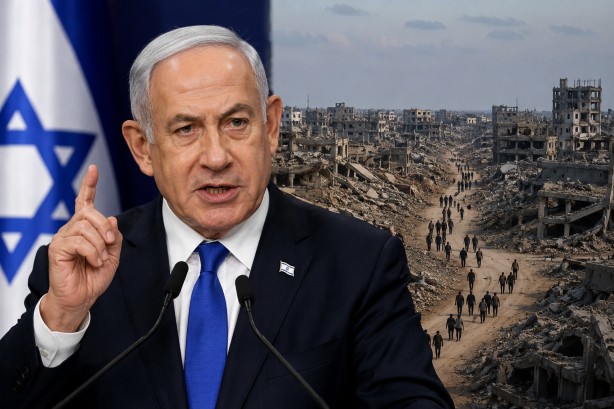
In a firm stance, Israeli Prime Minister Benjamin Netanyahu has dismissed the possibility of withdrawing Israeli forces from Gaza until Hamas is fully disarmed. This decision comes despite a US-supported proposal that ties military withdrawal to a broader peace deal. According to Israeli officials, intelligence reports suggest that Hamas continues to recruit fighters, reconstruct its military capabilities, and replenish its arsenal. Israel argues that pulling out troops prematurely would allow Hamas to reassert control over Gaza, thereby renewing security threats.
The US-brokered ceasefire proposal outlines several conditions, including Hamas relinquishing its weapons and dismantling its tunnel network. It also calls for a phased withdrawal of Israeli troops, the establishment of a Palestinian technocratic administration, the deployment of an international security force, and the reconstruction of Gaza. However, Netanyahu’s rejection of this framework underscores the complexity of achieving a lasting peace agreement in the region.
In the midst of these diplomatic efforts, Israeli airstrikes have continued over recent days, with reports indicating that at least 17 people, including children, have been killed. The situation remains dire in Gaza, as Palestinians recently held a mass funeral after rescue teams recovered over 100 bodies from the rubble in Gaza City’s Sabra neighborhood. This tragic incident was the result of a significant Israeli airstrike in November 2023, and recovery operations are ongoing as many victims are still believed to be trapped beneath the debris.
The current conflict was sparked by a Hamas attack on southern Israel on October 7, 2023, which resulted in the deaths of approximately 1,200 people and the abduction of 251 hostages. This attack set off the latest round of hostilities in Gaza, leading to a complex and ongoing war. As the international community watches closely, the path to peace remains fraught with challenges, as both sides hold firm to their demands and conditions.