
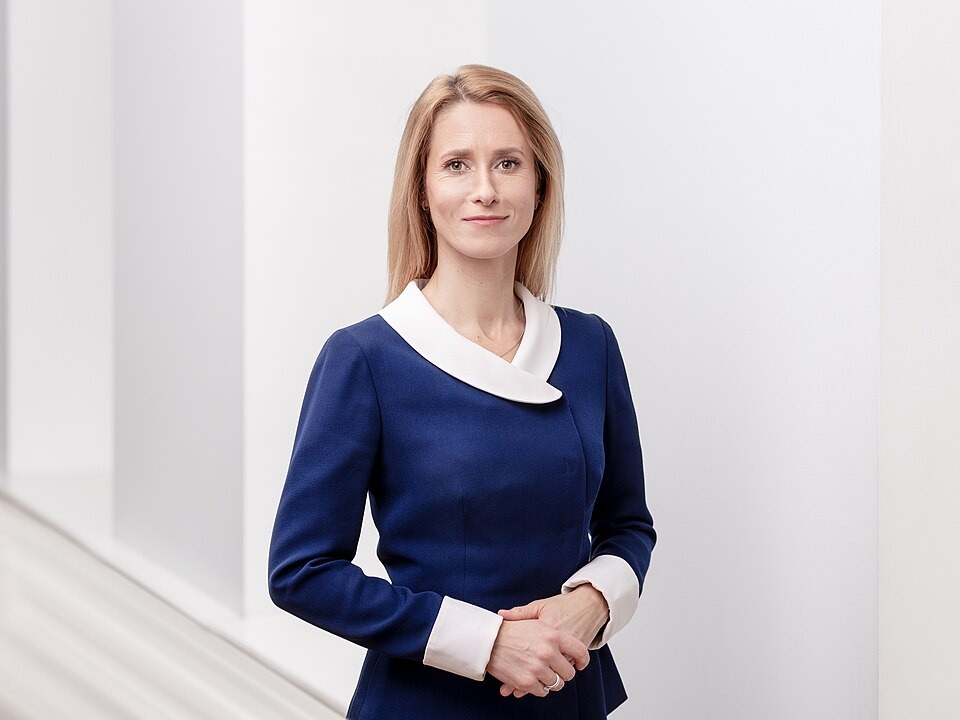
The European Union has reached a pivotal decision to impose sanctions on violent Israeli settlers, marking a resolution to a lengthy stalemate over the matter. This move, however, is characterized as a “baby step” by some within the EU, indicating that it may not be as extensive as desired by certain parties. Kaja Kallas, the EU’s foreign policy chief, emphasized the EU’s stance by stating, “Violence and extremism carry consequences,” reflecting the gravity of the EU’s new measures.
Despite this advancement, the 27 EU member states have yet to agree on implementing more comprehensive trade sanctions. France’s foreign minister, Jean-Noël Barrot, highlighted the EU’s approach by announcing sanctions against major Israeli organizations that support extremist actions and violence in the West Bank, along with their leadership. He stressed the urgency of addressing these acts, which he described as “most serious and intolerable,” calling for their immediate cessation through a post on social media.
While the complete list of sanctioned individuals and entities remains unpublished, it reportedly excludes two prominent Israeli ministers, Itamar Ben-Gvir and Bezalel Smotrich, who were previously sanctioned by the UK for inciting violence against Palestinian communities. The breakthrough in the EU’s decision came after Hungary’s new pro-EU administration lifted its veto on the sanctions, a stance previously maintained by former Prime Minister Viktor Orbán. Additionally, Kallas indicated that the EU would extend sanctions to key figures within Hamas.
Israel’s foreign minister, Gideon Sa’ar, criticized the EU’s decision, labeling it as an arbitrary and politically motivated action against Israeli citizens and organizations based on their political beliefs, without just cause. Despite the measures, the sanctions target only a limited number of settlers, falling short of the expectations of some EU member states. France and Sweden, in particular, have advocated for tariffs on goods imported from illegal settlements, arguing that increased pressure on Israel is necessary to halt its ongoing settlement activities.
Maria Malmer Stenergard, Sweden’s foreign minister, described tariffs on products from illegal settlements as “the most realistic proposal” for exerting pressure. While banning products would necessitate unanimous agreement among the member states, tariffs could be enforced by majority vote. Under the current EU-Israel association agreement, goods from the occupied territories do not benefit from preferential terms, yet trade remains permissible.